
Articles are where Psychdom publishes longer reads on psychology and relationships. Expect clear language, practical reflection, and evidence-informed ideas you can actually use.
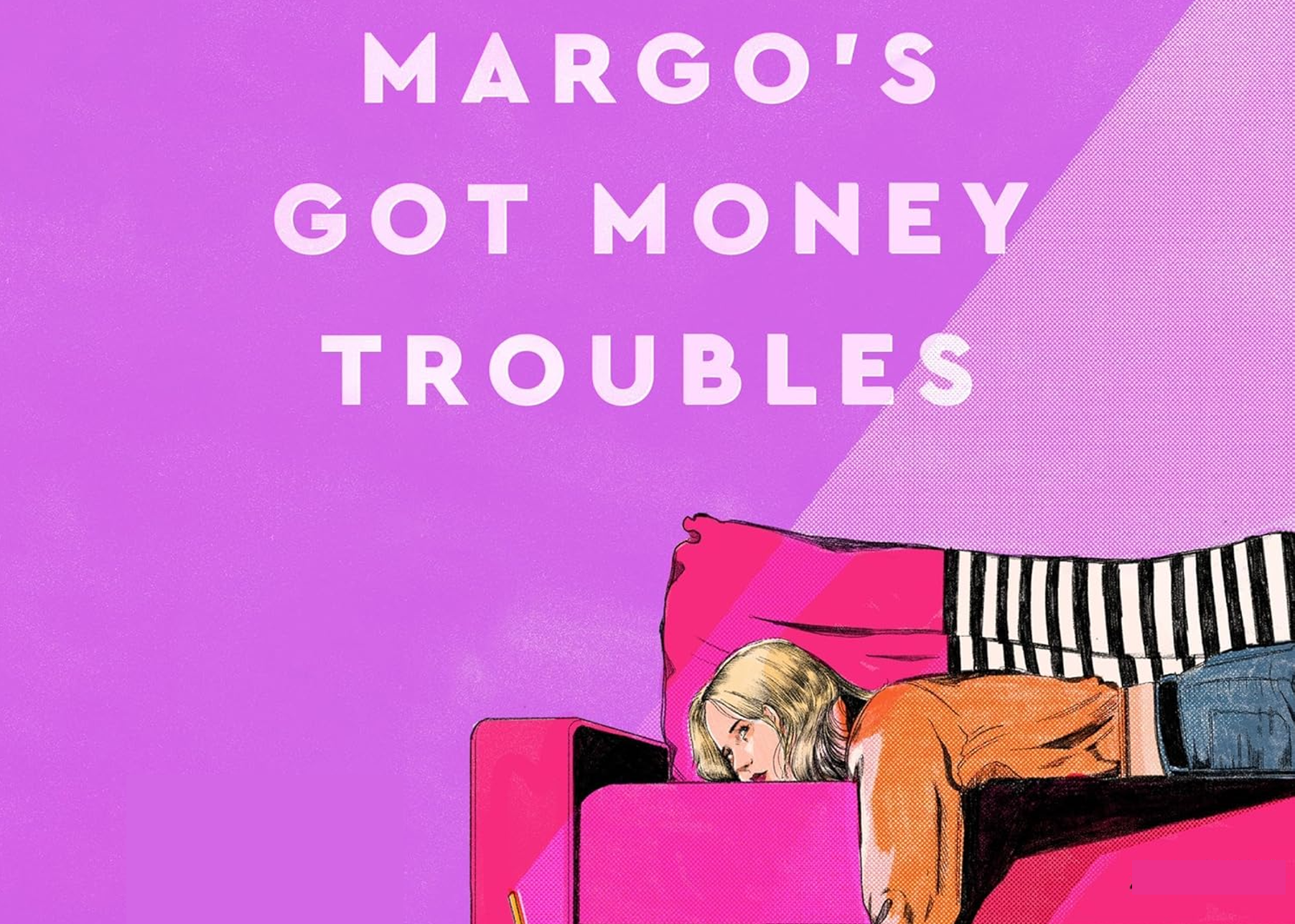
The Psychology of Margo’s Got Money Troubles: OnlyFans, Motherhood and Being Judged
A spoiler-heavy psychological reading of Rufi Thorpe's Margo's Got Money Troubles, from OnlyFans and money stress to motherhood, stigma, and the brutal politics of being judged. This is less a story about scandal than a story about what happens when female survival stops looking respectable.
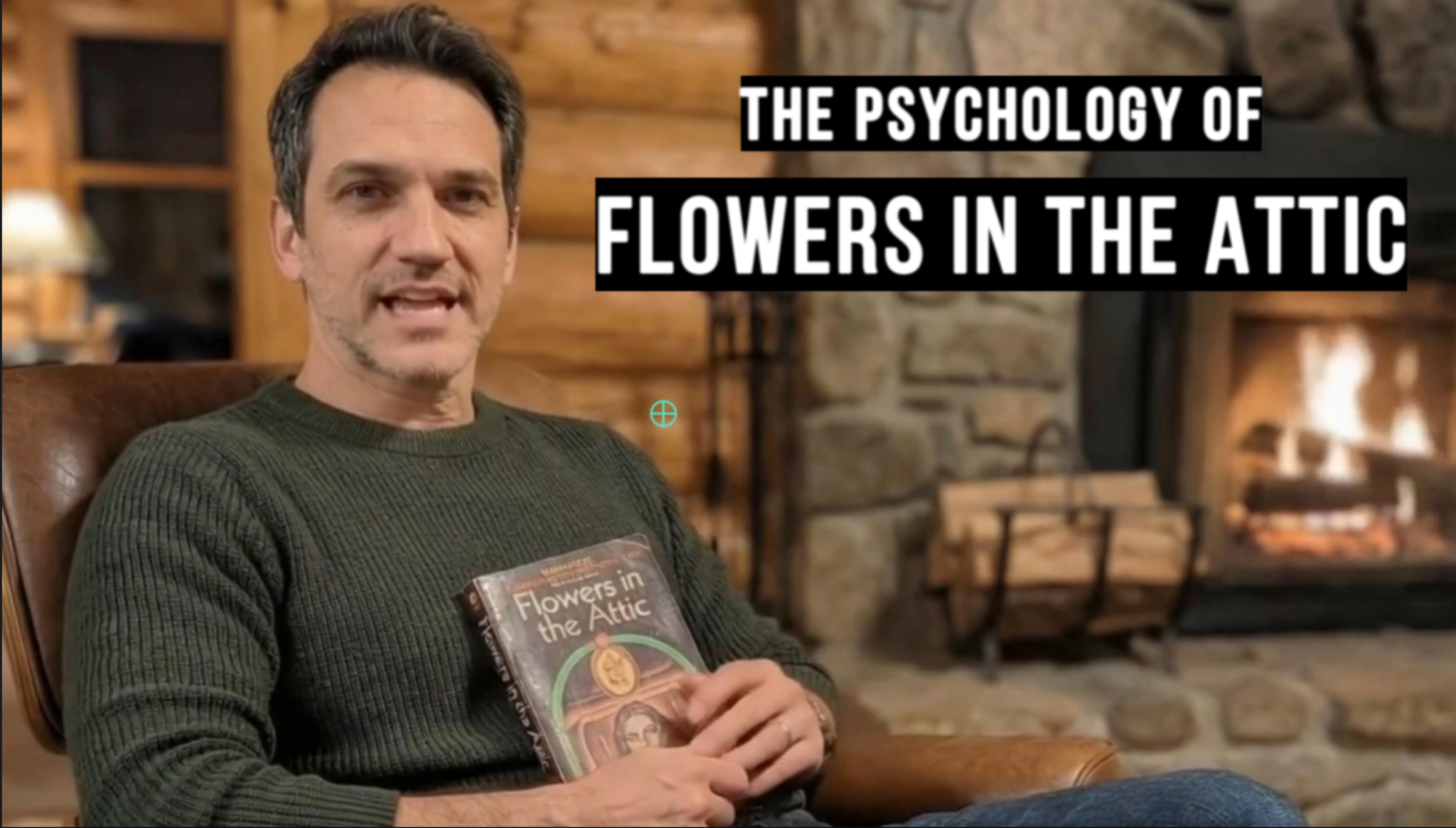
The Psychology of: Flowers in the Attic
A psychological reading of Flowers in the Attic through trauma, family shame, coercive control, family systems, and maternal betrayal. Beneath the novel’s Gothic surface lies a study of childhood terror and the emotional distortions that take root in captivity.

Celebrity Synastry: Lily Allen and David Harbour
Aries meets Taurus in a pairing that can feel electric and steady at once. Here is what Lily Allen and David Harbour’s synastry highlights about pacing, conflict cycles, and repair.

Your Enneagram Stress Pattern in Love
Stress does not make you a different person. It makes you more protected. This guide shows how Enneagram stress patterns show up in love, why the same fights repeat, and the simple repair scripts that help you calm down and reconnect.

Why Do We Fall for the Worst People? The Psychology of Dark Triad Attraction
They exude confidence, charm, and excitement—traits that can be irresistibly alluring. But beneath the surface, Dark Triad personalities thrive on manipulation, deception, and emotional detachment. Why do we find ourselves captivated by those who are most likely to hurt us? Psychology has some compelling answers.

The Rise and Fall of Narcissism: How Self-Obsession Changes Over a Lifetime
Narcissism changes over time - hypersensitivity declines, while autonomy grows. Research shows later generations, including Xennials, are less self-absorbed than their predecessors. Aging, life experience, and societal shifts all shape how we see ourselves.

The Science of Happiness: How Positive Psychology Can Transform Your Life
Happiness isn’t just a fleeting emotion - it’s a science-backed skill that can be cultivated through intentional actions. Positive psychology reveals that factors like gratitude, meaningful relationships, and a sense of purpose play a crucial role in long-term well-being. By integrating simple, evidence-based strategies into daily life, we can enhance joy, resilience, and fulfillment. Discover the latest research on happiness and practical techniques to transform your mindset today!

The Paradox of Choice: Why Modern Dating is Making Us More Anxious
Modern dating feels like an endless buffet - there’s always another option, another swipe, another match. But instead of making us happier, this abundance of choice often leaves us paralyzed, unable to commit, and constantly searching for something ‘better.’"

Digital Dopamine: How Social Media Hijacks Your Brain’s Reward System
Trapped in the scroll: How social media keeps you hooked.
From Facebook to TikTok, every generation has its own digital dopamine dispenser—designed to keep us scrolling, craving, and addicted. But what happens when our brains can’t keep up?

The Hidden Scars of Childhood: How ACES Shape Mental and Physical Health
Adverse Childhood Experiences (ACEs) shape more than just memories - they influence lifelong mental and physical health. Research reveals that early trauma rewires the brain, increases chronic disease risk, and fuels mental health struggles like anxiety, depression, and PTSD. However, an ACE score is not destiny. By fostering resilience through secure relationships, therapy, and trauma-informed policies, individuals can break the cycle of adversity. Discover how childhood experiences impact health, the science behind ACEs, and actionable steps for healing. Read on to explore how we can transform early adversity into resilience and well-being.